


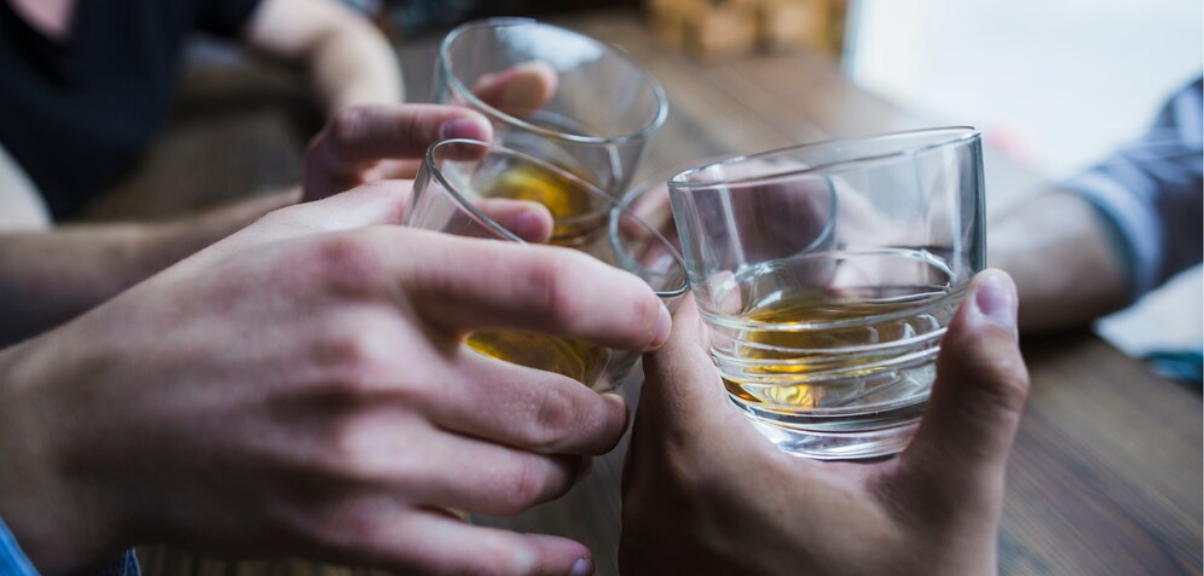
Previously, we discussed the difference between alcoholic beverages and hard liquor, as well as the reasoning behind distinguishing between these two terms.
In Indonesia, the term minuman keras (hard liquor) is more commonly used in news reports and everyday conversations, often shortened to miras.
So why is this term more popular than minuman beralkohol (alcoholic beverage, sometimes abbreviated as minol)? Let’s explore the full explanation below.
What is Hard Liquor?
Hard liquor refers to alcoholic beverages produced through fermentation or distillation of various ingredients such as wheat, corn, grapes, or even palm sap.
The alcohol content in hard liquor varies, from low-alcohol drinks like beer (4–6%) to high-proof spirits such as vodka or whisky (40–50%).
In Indonesia, hard liquor has a long history. Traditional beverages like tuak, arak Bali, and ciu have been consumed for centuries.
Despite often being viewed negatively, these local alcoholic beverages play an important role in the cultural and social lives of local communities.
Types of Hard Liquor
Hard liquor is categorized based on ingredients and production methods. Some of the most common types include:
- Beer – A light alcoholic beverage made from fermented grains such as barley or wheat.
- Wine – Produced by fermenting grape juice, with a higher alcohol content than beer.
- Whisky – Made by distilling fermented grains and aging the liquid in wooden barrels.
- Vodka – A neutral spirit made from fermented and distilled potatoes or grains.
- Rum – Created from the fermentation of molasses or sugarcane juice, commonly used in cocktails.
- Tequila – Distilled from blue agave, known for its distinct taste.
In addition to global spirits, Indonesia has a variety of traditional liquors, such as sopi from Maluku, cap tikus from North Sulawesi, and brem from Bali.
The Role of Hard Liquor in Indonesian Society
While alcoholic drinks can be enjoyed on many occasions, consumption should always be done responsibly. Indonesia enforces strict regulations on the production and distribution of hard liquor, but these do not negate the significance of its cultural role. In fact, hard liquor has strong local roots, as seen in the following three aspects:
1. Cultural and Ritual Significance
- Traditional liquors like tuak, arak Bali, and brem are integral to local rituals and ceremonies.
- Among the Batak people, tuak is used in traditional ceremonies as a symbol of respect for ancestors.
- In Balinese Hindu culture, arak Bali plays a vital role in religious rituals and is often used as an offering in ceremonies.
2. Social Values and Perceptions
- Hard liquor is often associated with social gatherings and modern lifestyles, particularly in major cities.
- In certain communities, alcohol consumption is part of social bonding.
- However, in Javanese culture, drinking alcohol is often seen as conflicting with values of modesty and restraint.
- Social change and globalization have influenced drinking habits in Indonesia, with imported spirits gaining popularity among urban consumers.
3. Economic and Social Impact
- The liquor industry—especially traditional alcohol production—contributes to the local economy.
- However, uncontrolled alcohol consumption can lead to various social issues, including increased crime rates and health problems.
- High excise taxes and tight regulations present challenges for the alcohol industry in Indonesia, but they also help mitigate its negative effects.
So, that’s an overview of what hard liquor is and the nuanced roles it plays in Indonesia’s diverse society.
The country’s cultural diversity also translates into a wide variety of local alcoholic beverages from Sabang to Merauke. Curious to learn more about the different types of traditional liquors in Indonesia? Click here to discover the full list.