


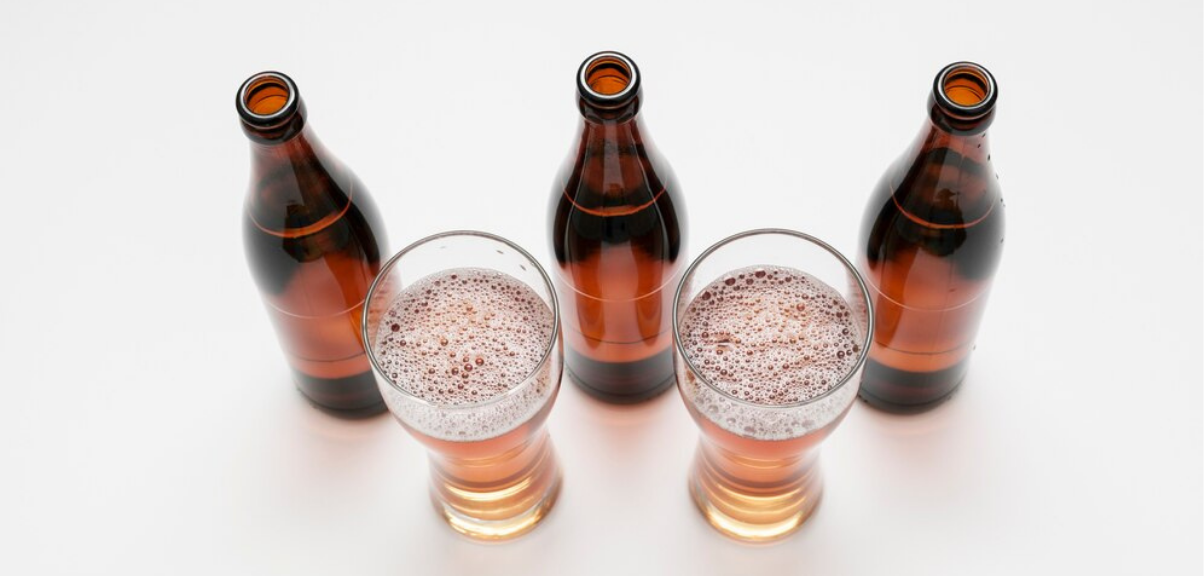
When it comes to enjoying food or drinks, the experience matters most. Just one misstep can ruin everything.
This expectation of a great experience increases even more when it’s your first time trying something—especially alcohol.
That’s why it’s important to first understand the potential effects of drinking alcohol, which could impact your first experience. What are they? Let’s dive into the discussion.
Effects of Drinking Alcohol You Should Be Aware Of
Alcohol can produce a wide range of effects, both in the short and long term. Here are some of the possible impacts:
Short-Term Effects
- Impaired Coordination and Awareness – Alcohol slows down brain function, causing slurred speech, loss of balance, and difficulty coordinating movements.
- Nausea and Vomiting – Excessive alcohol consumption can irritate the stomach, leading to nausea and vomiting.
- Body Temperature Fluctuations – Alcohol can cause your body to lose heat more rapidly, increasing the risk of hypothermia.
- Irregular Heartbeat – Some people experience unstable heart rhythms after drinking alcohol.
- Frequent Urination – Alcohol acts as a diuretic, increasing the need to urinate and potentially leading to dehydration.
Long-Term Effects
- Liver Damage (Cirrhosis) – Long-term alcohol use can cause liver cirrhosis, a condition involving permanent liver damage.
- Increased Risk of Cancer – Alcohol is linked to a higher risk of several types of cancer, including liver, breast, and colorectal cancers.
- Mental Health Issues – Alcohol can worsen mental health conditions and increase the risk of depression and anxiety disorders.
- Heart Disease and Stroke – Heavy drinking can raise blood pressure and elevate the risk of cardiovascular disease.
- Memory Loss and Cognitive Impairment – Alcohol can accelerate brain shrinkage, leading to memory problems and reduced cognitive function.
Now that you’re aware of the potential short- and long-term effects of alcohol, let’s move on to how you can minimize them and still enjoy alcohol responsibly.
How to Minimize the Effects of Alcohol
It’s no secret that alcohol has become a lifestyle for many—whether in cities or rural areas. But as discussed above, it’s crucial to manage your consumption wisely. Here are several tips to help reduce the negative effects:
- Stay Hydrated – Drink plenty of water before, during, and after alcohol consumption to combat dehydration.
- Eat Carbohydrate-Rich Foods – Eating carbs like rice, bread, or oats helps stabilize blood sugar and reduce hangover symptoms.
- Get Enough Sleep – Resting after drinking allows your body to recover and reduces side effects like headaches or fatigue.
- Drink Ginger Water – Ginger has antioxidant properties that help reduce nausea and support alcohol metabolism.
- Avoid Caffeinated Beverages – Coffee and energy drinks can worsen dehydration and raise blood pressure.
- Take Vitamin B6 – This vitamin helps your body process alcohol more efficiently and can reduce hangover symptoms.
- Use a Cold Compress on Eyes – Alcohol can cause blood vessels in the eyes to dilate, so applying a cold compress helps reduce redness and refresh your eyes.
It’s also a good idea to adopt a healthier lifestyle overall—exercise regularly and eat nutritious meals. Often, the urge to drink isn’t about neglecting your health, but about coping with stress.
These tips also apply to beginners so they can learn to manage themselves from the start. And for that, we’ve also included some guidance on how to enjoy alcohol responsibly as a first-timer.
A Beginner’s Guide to Drinking Alcohol
If you’re new to drinking alcohol, it’s important to learn how to enjoy it responsibly. Here are a few basic guidelines for beginners:
1. Know Your Limits
Everyone has different alcohol tolerance. Start with a small amount and observe how your body reacts. Don’t feel pressured to drink more just because others are doing so.
2. Choose the Right Drink
Start with lighter alcoholic beverages like beer or sparkling wine before moving on to stronger drinks like whisky or vodka. If trying cocktails, pick one with a balanced sweet-and-sour flavor for a more enjoyable experience.
3. Drink with Food
Eating while drinking slows down alcohol absorption in the body. Foods that are high in fat or carbs—like bread and meat—can help reduce the intensity of alcohol’s effects.
4. Stay Hydrated
Since alcohol causes dehydration, be sure to drink water in between alcoholic drinks. Avoid caffeinated beverages like coffee or soda that can worsen dehydration.
5. Avoid Mixing Too Many Types of Alcohol
Combining several kinds of alcohol can increase the risk of a severe hangover. If you want to try different drinks, do it gradually and in small quantities.
6. Drink Responsibly
Never drive after consuming alcohol. If you feel uncomfortable or dizzy, stop drinking and take a break.
Now you’ve got a comprehensive understanding of the effects of alcohol and how to consume it wisely—whether you’re experienced or just starting out.
If you’re ready to try drinking alcohol in a more mindful way, we highly recommend matching your drink to the occasion. That way, your drinking experience becomes more enjoyable and memorable—even if it only happens once in a while.
Looking for ideas? Check out our top 5 recommended alcoholic beverages based on different moods and occasions—two of which are made in Bali!