


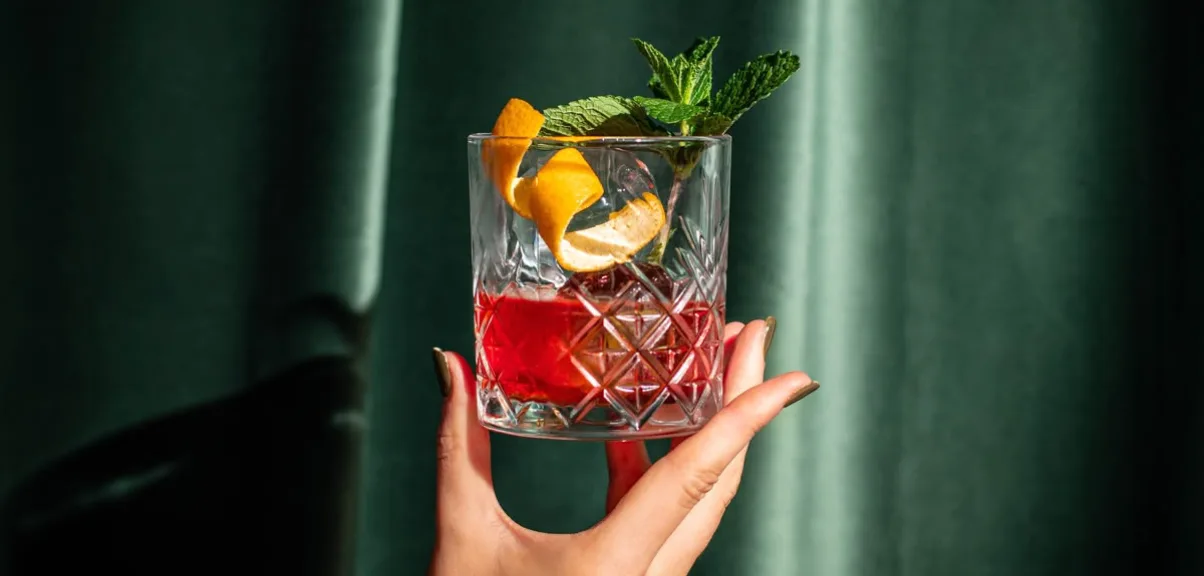
You may have been in a situation where a traditional Indonesian alcoholic beverage, such as arak or tuak infused with spices, is called “jamu kuat” (strong jamu) or “jamu godokan” (boiled jamu). For those unfamiliar, this label can be confusing. Why is a drink containing alcohol equated with jamu, which is synonymous with herbal medicine?
This phenomenon is a fascinating reflection of history, culture, and local wisdom in utilizing natural resources. Balimoon, as a producer of premium local alcoholic beverages, wants to take you through the roots of this narrative. Understanding why these drinks are called jamu will give you a deeper appreciation for what you’re drinking.
Understanding Traditional Local Alcoholic Beverages in Indonesia
Indonesia, with its cultural diversity, has a rich heritage in making traditional local alcoholic beverages. These drinks do not just serve as complements to ceremonies or for recreation; they are often closely integrated with daily life and traditional medicinal practices.
Some popular examples of local alcoholic beverages often associated with the term jamu include:
- Arak: A distilled spirit made from ingredients like rice, palm sap, or sugarcane. Traditionally consumed arak is often a clear spirit with a relatively high alcohol content.
- Tuak: A low-alcohol fermented beverage made from the sap of palm trees (such as arenga, palmyra, or coconut).
- Anggur Cap Tikus or Ciu: Drinks also produced through fermentation and distillation, often brewed traditionally in various regions.
Interestingly, many of these basic beverages (before distillation) were originally the result of the natural fermentation of natural resources—a process historically inseparable from food processing and medicinal concoctions.
Overlapping Production Processes and Ingredients Make Alcoholic Drinks Jamu-Like
The key to why local alcoholic beverages are often called jamu lies in the process and the added ingredients. There is a functional overlap between the traditional production of spirits and the preparation of herbal remedies.
1. Alcohol as an Extraction Medium (Solvent)
Scientifically, alcohol is a highly effective solvent. In the past, apothecaries and jamu makers used alcohol (often the result of fermenting fruit or rice) for two primary reasons:
- Extracting Active Compounds: Alcohol can dissolve and preserve compounds from spices, roots, and medicinal barks that are difficult to dissolve in water. This process is known as making a tincture.
- Preserving the Concoction: The alcohol content helped preserve the herbal mixtures for a longer period, maintaining their efficacy.
Because the primary function of alcohol was as a medium to “draw out” the herbal properties, local alcoholic beverages infused with spices (such as ginger, kencur, pasak bumi, or ginseng) were automatically considered products with a therapeutic purpose, like jamu.
2. Therapeutic Spice Additives
Many local alcoholic beverages are sold after an infusion process with spices traditionally known for their benefits:
- Digestion (Digestive): Bitter spices were used to stimulate stomach acid production.
- Body Warming: Pungent spices like ginger (similar to Jamu Beras Kencur or Jamu Galian Singset).
- “Strength” (Tonic): Certain roots believed to boost stamina.
When arak or tuak is infused with these spices, the drink is no longer viewed merely as a means of intoxication but as an elixir or health tonic aimed at boosting vitality.
Why Are Traditional Local Alcoholic Beverages Often Called Jamu? Balimoon Explains!
This core question is answered by three main pillars: History, Social Stigma, and Cultural Marketing.
1. Historical and Functional Heritage
Historically, in many cultures including Indonesia, the line between medicine and food (or drink) was very thin. The first alcohol consumed might have been a naturally fermented product that tasted sour or bitter. When spices were added, its function shifted to a functional drink. Because its purpose was to heal or strengthen, the term jamu (meaning traditional medicinal concoction) became the most appropriate label to describe the beverage.
2. Legitimizing Consumption in the Social Sphere
The use of the term jamu is an effective cultural strategy to overcome social stigma.
- Acceptance: In the midst of conservative values, calling an alcoholic beverage “jamu” provides a socially and morally acceptable reason for drinking it. You’re not getting drunk; you’re “consuming a traditional remedy for health.”
- Class Distinction: The term also distinguishes local alcoholic beverages made with traditional wisdom (and often with perceived health benefits) from modern imported alcoholic beverages which are culturally often identified with excessive consumption or hedonism.
3. Cultural Marketing (Local Branding)
In the modern market context, some producers of local alcoholic beverages intentionally use the jamu narrative to emphasize the authenticity and local identity of their products. This is powerful branding. For consumers, the jamu label implies:
- Safe and Natural: Made from natural ingredients, in accordance with ancestral heritage.
- Full of Story: The drink has a history, not just a mass-produced industrial product.
Traditional local alcoholic beverages are often called jamu not because they are medicine in the modern sense, but because they inherit the historical function as a herbal medium and serve as a cultural justification within society.
As a consumer of local alcoholic beverages, it’s important to appreciate the spice heritage and infusion process that makes these drinks unique. However, always remember that modern products like those we present at Balimoon are spirits intended for enjoyment and must be consumed responsibly. Never use alcoholic beverages as a substitute for prescribed medication.